Applique Number 1: A Practical Evaluation for Embroidery Projects
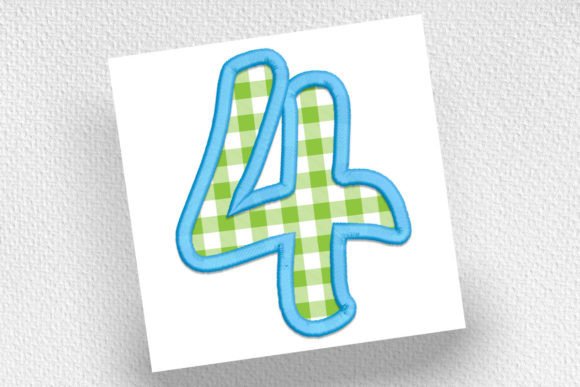
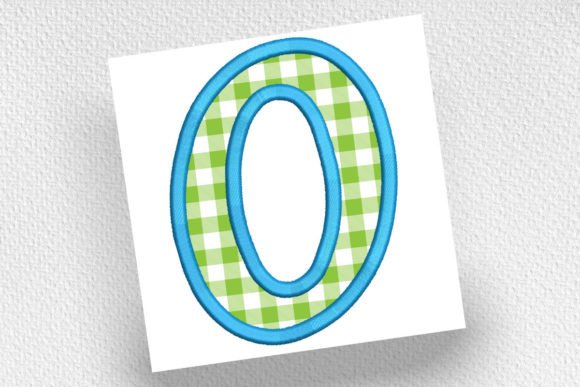
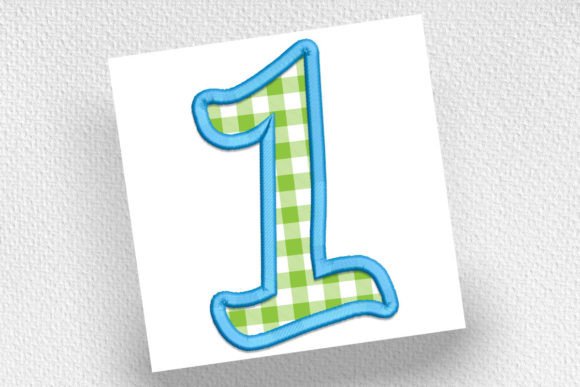
The Applique Number 1 embroidery design represents a specific category of machine embroidery files that combine the structural elements of appliqué with the visual impact of a numeral. Unlike standard satin stitch or fill stitch designs, this pattern requires the user to place a piece of fabric within a designated outline before the machine stitches the final border and details. This technique creates a textured, layered look that distinguishes the finished product from flat embroidery. For hobbyists and professionals alike, understanding the mechanics and applications of the Applique Number 1 design is essential for determining its suitability for specific projects.
Understanding the Design Mechanics
At its core, the Applique Number 1 design is a digitized file intended for use with computerized embroidery machines. The process involves three distinct stages: tacking down a fabric patch, trimming the excess material, and stitching the final outline and decorative elements. The "Number 1" motif is typically rendered in a bold, legible font, making it ideal for items where clarity is paramount. The design allows for significant customization because the internal area of the number is not filled by thread but by the user's choice of fabric. This means the visual outcome depends heavily on the materials selected rather than just the thread colors programmed into the machine.
When evaluating this design, it is important to note that it comes in multiple file formats compatible with various embroidery machine brands. This compatibility ensures that users can integrate the design into their existing workflow without needing specialized hardware beyond a standard home or commercial embroidery unit. However, the success of the project relies on the precision of the trim lines and the stability of the base fabric used during the stitching process.
Reasons to Consider Applique Number 1
There are several compelling reasons why an individual might choose the Applique Number 1 over other embroidery options. The primary advantage is the ability to incorporate diverse textures and patterns. While traditional embroidery is limited by the color palette of available threads, appliqué allows for the use of denim, velvet, sequined fabrics, or printed cottons. This makes the design particularly effective for creating personalized items such as sports jerseys, commemorative shirts, or themed home decor.
Furthermore, the tactile quality of appliqué adds depth to the finished item. The raised nature of the fabric insert creates a shadow effect and a physical dimension that flat stitching cannot achieve. For DIY enthusiasts looking to add a professional touch to clothing or accessories, this design offers a high-impact result with relatively simple execution. It is also a cost-effective solution for small businesses or crafters who wish to produce customized goods without the expense of custom screen printing setups.
Benefits and Tradeoffs
While the benefits are clear, potential users must weigh them against certain tradeoffs. The most significant advantage is versatility; the same digital file can produce vastly different looks simply by changing the fabric insert. Additionally, the design is durable. Because the fabric is stitched down securely around the edges, it tends to withstand washing and wear better than some delicate thread-only designs.
However, there are considerations regarding time and skill level. Appliqué takes longer to execute than standard embroidery because it requires manual intervention. The user must stop the machine at specific points to trim the fabric, which interrupts the automated flow. If the trimming is not precise, the final appearance may be compromised. Furthermore, the thickness of the added fabric layer can create bulkiness, which may not be desirable on very lightweight garments or items requiring a smooth finish.
Ideal Applications and Use Cases
The Applique Number 1 design is a strong fit for specific scenarios where durability and visual prominence are required. It is exceptionally well-suited for:
- Sports Apparel: Creating player numbers on team jerseys where visibility and resistance to abrasion are critical.
- Kids' Clothing: Adding names or numbers to backpacks, hats, and hoodies, as the sturdy construction holds up well to active play.
- Home Decor: Personalizing pillows, tote bags, or wall hangings where the texture adds aesthetic value.
- Commemorative Items: Producing anniversary gifts or milestone markers (e.g., a "1st Birthday" shirt) where the bold number serves as the focal point.
In these situations, the ability to match the fabric of the number to the theme of the event or the style of the garment provides a level of personalization that standard thread fills cannot match. For example, using a camouflage fabric for a hunting-themed jacket or a glittery material for a celebration outfit allows the creator to tailor the design to the specific context.
When to Consider Alternatives
Despite its strengths, the Applique Number 1 is not the optimal choice for every project. Users should consider alternative methods, such as standard fill stitch or lettering, in the following situations:
- Lightweight Fabrics: If the base material is sheer or extremely thin, the weight and stiffness of the appliqué fabric may cause puckering or distortion. In these cases, a lighter thread-based design is preferable.
- High-Volume Production: For large-scale manufacturing where speed is the priority, the manual trimming steps required for appliqué can slow down production significantly compared to fully automated embroidery.
- Complex Backgrounds: If the background fabric has a very busy pattern, adding another layer of fabric might make the number difficult to distinguish. A contrasting thread color might provide better readability in such instances.
- Budget Constraints: Since appliqué requires purchasing additional fabric scraps, it may incur slightly higher material costs than using only thread.
Practical Decision-Making Insights
To determine if the Applique Number 1 aligns with your goals, assess your project requirements against your technical capabilities. If you possess a mid-range or high-end embroidery machine and have access to a variety of fabric scraps, this design offers excellent creative freedom. It is particularly valuable for those who want to elevate a standard garment into a unique, handmade piece.
Before committing to a full project, it is advisable to test the design on a scrap piece of the intended fabric. This allows you to evaluate how the stabilizer interacts with both the base material and the appliqué insert. Pay close attention to the tension settings, as incorrect tension can lead to gaps in the stitching or uneven edges. Additionally, ensure you have the correct file format for your specific machine model to avoid compatibility issues.
Ultimately, the Applique Number 1 is a tool for customization. Its value lies in the flexibility it offers the creator to blend different materials and styles. By understanding the balance between its textural benefits and the extra effort required, users can make informed decisions about when to employ this technique. Whether for a one-off gift or a small batch of personalized items, the design provides a reliable method for achieving a polished, professional look that stands out from standard embroidery.