Evaluating Script Number Three for Machine Embroidery Projects
When selecting a font for machine embroidery, the choice of script can define the aesthetic and technical success of a project. Script Number Three represents a specific category of cursive design that balances fluidity with structural integrity. For crafters, hobbyists, and small business owners using commercial or domestic embroidery machines, understanding the nuances of this design is essential before committing to a purchase or download. This evaluation explores the characteristics of Script Number Three, its compatibility across various file formats, and the practical considerations required to integrate it effectively into textile projects.
Understanding the Design Characteristics of Script Number Three
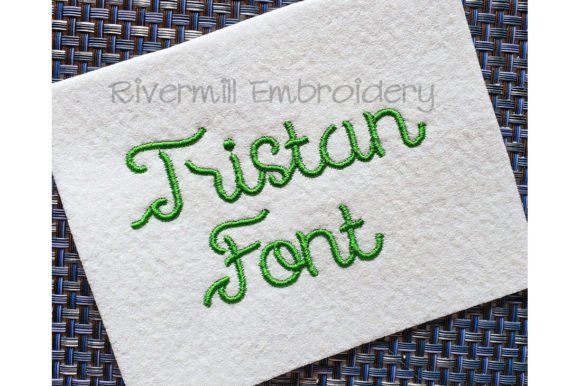
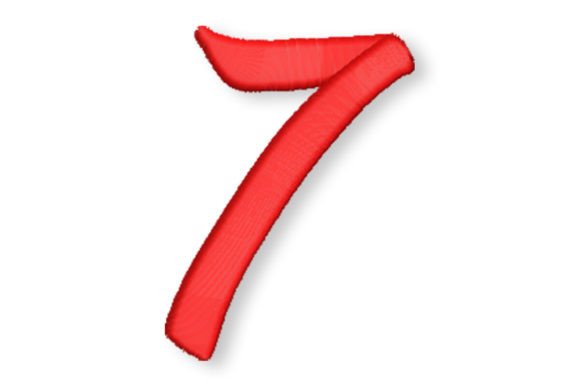
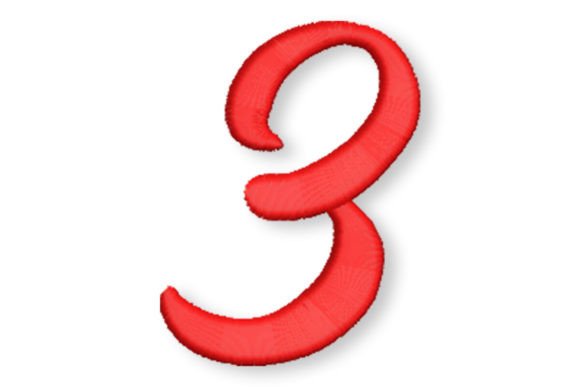
Script Number Three is not merely a digital typeface converted into stitches; it is an engineered embroidery pattern designed specifically for the mechanics of hoop-based stitching. Unlike standard print fonts, embroidery scripts must account for thread tension, fabric stretch, and needle penetration. This particular design features moderate stroke widths and controlled curve radii, which are critical factors in preventing thread breakage and maintaining legibility on textured surfaces.
The "Three" designation often implies a specific iteration within a designer's collection, suggesting refinements made based on previous versions. In the case of Script Number Three, the letterforms typically exhibit a balance between decorative flourishes and functional spacing. The connections between letters are generally secure enough to prevent gaps during high-speed stitching but open enough to allow for proper underlay support. This structural approach makes it distinct from overly dense scripts that may cause puckering or excessively thin lines that risk disappearing on dark fabrics.
Technical Compatibility and File Formats
A primary advantage of acquiring Script Number Three lies in its multi-format availability. Modern embroidery ecosystems are fragmented, with different machines requiring proprietary file extensions. To address this, this design package includes multiple embroidery file formats, ensuring broad compatibility. Common formats included in such bundles often encompass .PES (Brother/Babylock), .DST (Tajima/Industrial), .EXP (Bernina), .JEF (Janome), and .XXX (Melco).
This versatility allows users to utilize the same design across different hardware without needing third-party conversion software, which can sometimes alter stitch density or direction. For professionals managing a fleet of machines with varying capabilities, having native files for each brand reduces workflow friction. However, users should verify that their specific machine model supports the stitch count associated with Script Number Three. While the font itself is adaptable, very old machines with limited memory may struggle with larger text strings if the design is not optimized for low-capacity hoops.
Benefits and Practical Applications
There are several compelling reasons why a crafter might choose Script Number Three over other available options. First, the design offers a professional appearance that elevates simple garments into custom pieces. It is particularly effective for monograms, wedding guest towels, and personalized apparel where a handwritten aesthetic is desired without the inconsistency of actual handwriting.
Secondly, the balanced stitch density of Script Number Three contributes to durability. Many script fonts fail because they use too many satin stitches, leading to thread bunching or pulling on the fabric. By utilizing a mix of fill and satin stitches strategically, this design maintains the look of a continuous line while distributing stress more evenly across the material. This makes it a strong candidate for items that will undergo frequent washing, such as children's clothing or kitchen linens.
Furthermore, the availability of multiple sizes within the design family allows for scalability. Whether the project requires a subtle logo on a cuff or a bold statement on a tote bag, Script Number Three can be resized within reasonable limits without losing its defining characteristics. This flexibility reduces the need to purchase separate designs for different applications.
Tradeoffs and Considerations
Despite its advantages, there are tradeoffs to consider when evaluating Script Number Three. The primary limitation is fabric selection. Because script fonts rely on continuous curves, they are less forgiving on highly unstable fabrics like jersey knit or loosely woven linen unless stabilized correctly. Users must invest time in selecting the appropriate stabilizer—often tear-away or cut-away depending on the garment weight—to ensure the design lays flat.
Another consideration is the learning curve for resizing. While the design is scalable, pushing the limits of size reduction can result in illegible characters due to the minimum stitch length constraints of embroidery machines. Conversely, enlarging the design too much may require additional manual editing to adjust the underlay, a task that may be beyond the skill level of a novice embroiderer. Additionally, the intricate nature of some script styles means that thread color changes are frequent. If the design uses multiple colors for shading effects, the production time increases significantly compared to single-color block fonts.
Situational Fit: When to Use and When to Look Elsewhere
Script Number Three is a strong fit for projects requiring elegance and personalization. It excels in scenarios such as bridal party gifts, corporate event favors, and boutique branding where a soft, organic look is preferred. It is also ideal for users who own mid-to-high-end domestic machines capable of handling moderate stitch counts and complex underlay patterns. For those seeking a reliable, versatile script that performs well on cotton, twill, and denim, this design offers a dependable solution.
However, alternatives may be worth considering in specific situations. If the project involves heavy-duty workwear or thick upholstery materials, a block-style or serif font might offer better visibility and durability. Similarly, for beginners with older machines that lack advanced hooping features or automatic thread trimmers, a simpler font with fewer color changes and lower stitch counts could reduce frustration and waste. Additionally, if the target audience requires extreme legibility from a distance, such as on large banners or outdoor signage, the delicate nature of Script Number Three may not convey the message as clearly as a bolder sans-serif option.
Decision-Making Insights for Buyers
Before finalizing a decision to use Script Number Three, potential buyers should conduct a test run. Most reputable sellers provide a preview or a small sample file. Utilizing this resource to stitch out a few characters on the intended fabric is the most reliable method for assessing performance. Pay close attention to how the thread sits on the fabric surface and whether the stabilizer choice was sufficient to prevent shifting.
Readers should also evaluate their current inventory of tools. Do you have the necessary stabilizers and needles for fine script work? Is your machine capable of handling the specific file format provided without conversion issues? Answering these questions helps determine if the investment aligns with current capabilities. Finally, consider the long-term value. A font that works well across multiple projects justifies the cost more than a trendy design that suits only one specific aesthetic. By weighing these factors, crafters can determine if Script Number Three is the right tool to achieve their creative goals efficiently and effectively.