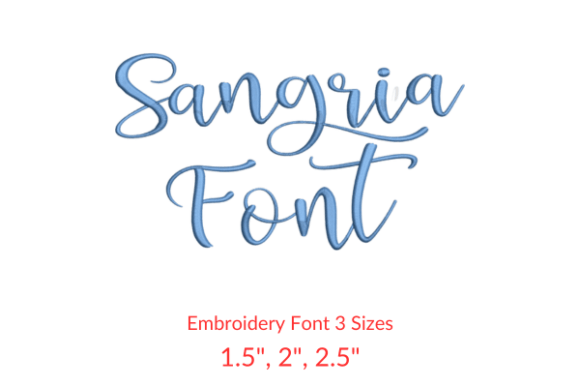
Sangria Font Embroidery Design: A Practical Evaluation
For embroidery enthusiasts and professionals alike, selecting the right typography is a critical step in the design process. The Sangria Font Embroidery Design offers a distinct aesthetic that blends cursive elegance with machine-stitchable precision. This article evaluates the features, applications, and practical considerations of this font to help you determine if it aligns with your specific project requirements.
Understanding the Sangria Font Structure
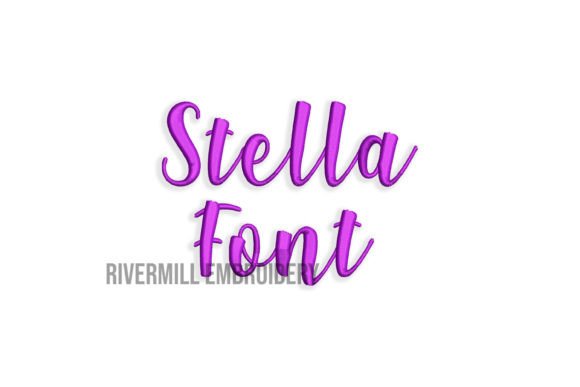
The Sangria Font Embroidery Design is a digital file set designed for use with computerized embroidery machines. Unlike standard screen fonts, this resource translates the visual characteristics of the Sangria typeface into stitch data. It is characterized by its flowing, handwritten style, featuring loops, flourishes, and varying stroke widths that mimic hand-lettering.
A key aspect of understanding this design set involves interpreting the technical specifications provided. The dimensions and stitch counts typically displayed on product pages represent the character "A" (uppercase) and "a" (lowercase) at various sizes. These metrics serve as a baseline summary. However, because cursive fonts often have variable widths depending on the letter shape—such as the wide span of an "M" versus the narrow profile of an "i"—relying solely on the "A" measurement can be misleading for layout planning. For accurate project estimation, users should consult the full dimension details available via the More Sewing Info PDF button, which covers all 156 letters included in the set.
Reasons to Consider This Font
There are several compelling reasons why a crafter or business owner might choose the Sangria Font Embroidery Design over other options:
- Personalization Potential: The primary strength of this font is its ability to add a personal touch. It is exceptionally well-suited for writing names, dates, and short quotes. The script style naturally conveys warmth and intimacy, making it ideal for gifts, wedding memorabilia, and commemorative items.
- Versatility Across Fabrics: Due to its adaptable structure, this font can be applied to a wide range of textiles. Whether working with cotton t-shirts, denim jackets, canvas tote bags, or delicate linens, the design maintains its legibility and aesthetic appeal when stitched correctly.
- Multi-Format Compatibility: One of the most practical benefits of this download is its inclusion of multiple embroidery file formats. This ensures compatibility with a broad spectrum of embroidery machines from different manufacturers, reducing the need for third-party conversion software and minimizing the risk of file corruption.
Benefits and Tradeoffs
While the Sangria Font Embroidery Design offers significant advantages, it also presents certain tradeoffs that require careful consideration before purchase and use.
Benefits
The high-quality digitization of this font ensures that curves are smooth and transitions between strokes are clean. This reduces the likelihood of thread bunching or skipped stitches, which are common issues in poorly digitized script fonts. Furthermore, the availability of detailed PDF information allows for precise planning, helping users avoid placement errors before the needle even touches the fabric.
Tradeoffs and Considerations
Script fonts inherently carry higher stitch counts than block or sans-serif fonts. The intricate loops and flourishes of the Sangria style mean that larger text will take longer to embroider and consume more thread. Additionally, the complexity of the design requires proper stabilizer usage. Without adequate backing, the fine lines may pucker or distort, particularly on stretchy fabrics like knits.
Another consideration is the reading speed. While elegant, cursive fonts can sometimes be difficult to read quickly, especially when stitched at very small sizes or on dark fabrics where contrast is low. Users must balance the desire for an ornate look with the need for clarity.
Ideal Use Cases
The Sangria Font Embroidery Design is a strong fit for specific scenarios where aesthetics and sentimentality are prioritized:
- Wedding and Event Apparel: Names and dates on bridal party sashes, guest towels, or custom napkins benefit greatly from the romantic style of this font.
- Baby and Children's Items: Monogramming baby blankets, bibs, or onesies with a soft, flowing script adds a gentle, personalized feel.
- Home Decor Accents: Throw pillows, table runners, and decorative wall hangings often utilize script fonts to create a cozy, inviting atmosphere.
- Small Business Branding: For boutiques or cafes with a vintage or artisanal brand identity, using this font on aprons or staff uniforms can reinforce the desired image.
When to Consider Alternatives
Despite its qualities, the Sangria Font Embroidery Design may not be the optimal choice for every project. In the following situations, alternative fonts or design strategies should be considered:
- Long Text Blocks: If you intend to embroider long paragraphs or detailed instructions, a script font like Sangria will likely result in a cluttered, hard-to-read appearance. Block fonts are generally superior for extended text.
- Tight Budgets or Time Constraints: Because of the higher stitch count associated with script styles, production time increases. If you are fulfilling a large rush order where efficiency is paramount, a simpler font with fewer stitches will yield faster results.
- High-Durability Workwear: For industrial workwear or uniforms that undergo frequent heavy washing and abrasion, simpler, thicker stitch patterns often hold up better over time. The finer details of a script font may wear down faster than bold, solid characters.
- Very Small Areas: Attempting to fit this font into extremely small hoop areas can compromise the integrity of the design. The flourishes may become indistinguishable blobs of thread if scaled down too far.
Practical Decision-Making Insights
To determine if the Sangria Font Embroidery Design meets your needs, follow these practical steps:
First, evaluate the readability of your intended message. Write out the name, date, or quote you plan to use and visualize it in a script format. Does it remain clear? If the message is complex, consider simplifying the text or choosing a different font style.
Second, review the More Sewing Info PDF thoroughly. Do not rely on the summary stats for "A" and "a." Check the specific dimensions of the longest words you intend to use to ensure they fit within your hoop size and the designated area on your garment.
Third, test the design on a scrap piece of the actual fabric you plan to use. This "test run" is crucial for assessing how the thread density interacts with the material and whether additional stabilizer is needed. Pay close attention to the underlay stitches, as they provide the foundation for the floating script elements.
Finally, consider the overall composition of your project. The Sangria font works best as a focal point. Pairing it with simple geometric shapes or minimal embellishments often yields a more balanced design than combining it with other busy patterns.
Conclusion
The Sangria Font Embroidery Design is a versatile tool for those seeking to add a touch of elegance and personalization to their embroidery projects. Its multi-format support and high-quality digitization make it accessible for a wide range of machines and skill levels. However, success with this font depends on understanding its limitations regarding stitch count, fabric stability, and readability. By carefully evaluating your project goals against these factors, you can decide if this design is the right fit for your next creation.