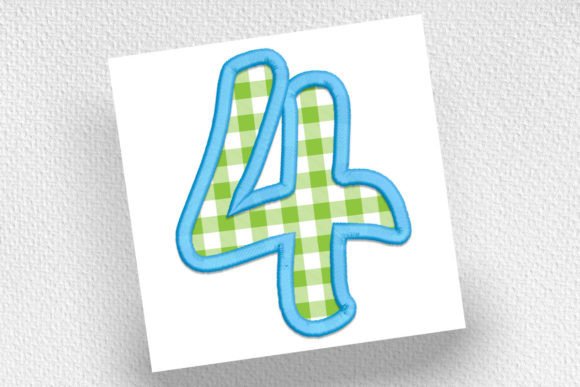
Number 4 Applique: A Bold Design for Custom Projects
In the world of textile customization, few elements carry as much personal significance as a number. Whether it represents a jersey preference, a lucky charm, or a specific date, the digit "4" is a staple in personalized apparel and home decor. The Number 4 Applique design stands out not just as a simple shape, but as a versatile canvas that bridges the gap between traditional embroidery and modern fabric art. Unlike standard stitch-only designs that rely entirely on thread color to define form, this applique approach invites you to layer actual fabric beneath the stitching, creating depth, texture, and a tactile quality that flat embroidery simply cannot achieve.
This design is crafted with precision, ensuring clean edges and secure stitching that holds the underlying material firmly in place. It is an ideal choice for those looking to elevate their DIY projects from basic to boutique-quality. By integrating the Number 4 Applique, Embroidery Design into your workflow, you open up a world of possibilities where the fabric choice becomes just as important as the machine settings. This shift in focus allows creators to experiment with bold patterns, textured weaves, and vibrant colors that match their unique aesthetic vision.
The Visual Impact of Fabric-Layered Typography
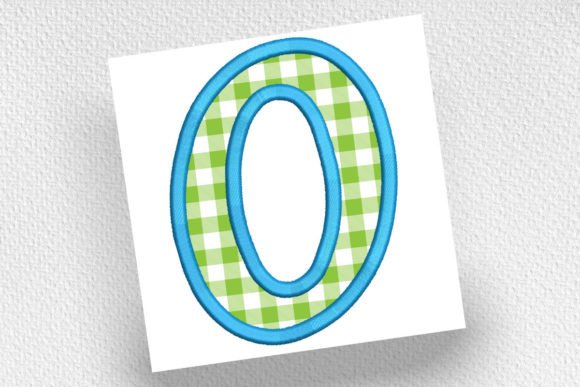
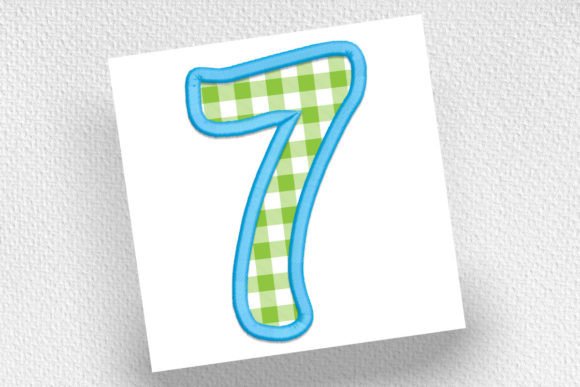
When evaluating a design like the Number 4 Applique, it is essential to understand how it differs from a standard display font or a creative font rendered in thread alone. In digital web design or editorial design, typography relies on weight, spacing, and contrast to create hierarchy. In physical textile work, the Number 4 Applique achieves similar visual dominance through material contrast. The digit acts as a window into the fabric chosen for the base layer.
Imagine a denim jacket featuring a number four made from bright orange corduroy, or a baby onesie where the digit is cut from soft, patterned flannel. The personality of the project changes instantly based on the material selection. This flexibility makes the design particularly powerful for brand identity applications where texture plays a role in perception. A rugged, outdoor brand might use heavy canvas for the applique base, while a luxury lifestyle brand might opt for satin or velvet. The digit itself remains constant, but its character shifts to align with the surrounding context.
From a technical standpoint, the design features a balanced structure that ensures readability even when complex fabrics are used. The curves of the "4" are smooth enough to prevent puckering during the cutting and tacking phases, yet distinct enough to maintain legibility at smaller scales. This balance is crucial for maintaining professional recognition. When a viewer sees a garment with a well-executed applique number, they perceive care and attention to detail. Conversely, a poorly designed digit can look messy or unfinished, undermining the entire piece. The Number 4 Applique avoids these pitfalls by offering a robust outline that guides the needle with precision.
Strategic Applications Across Industries
The versatility of this design extends far beyond hobbyist crafting. For small business owners and entrepreneurs, the ability to customize items quickly and effectively is a significant competitive advantage. Consider the following areas where the Number 4 Applique excels:
- Sports Apparel and Team Gear: Jerseys, practice shirts, and hats often require durable numbering. Applique offers superior durability compared to screen printing, which can crack over time, or heat transfer vinyl, which may peel. The stitched border of the design protects the fabric edge, ensuring longevity even after repeated washing.
- Event Merchandise: Birthdays, anniversaries, and reunions often feature specific numbers. Using the Number 4 Applique, Embroidery Design allows event organizers to create high-value keepsakes. The tactile nature of the design makes the item feel more premium than a standard printed shirt.
- Home Decor and Textiles: Pillows, throw blankets, and nursery wall hangings benefit from the added dimension of applique. A number four in a child's room can serve as a milestone marker, and the ability to swap fabric types means the decor can evolve with the child's changing tastes.
- Packaging Design Accents: While less common, high-end packaging for clothing brands sometimes incorporates embroidered patches. A number patch can serve as a limited edition marker or a stylistic element on a garment tag or box.
For marketers and content creators, showcasing the process of applying this design can be highly engaging. Videos demonstrating the fabric selection, cutting, and stitching process highlight the craftsmanship involved. This transparency builds trust with audiences who value handmade or artisanal goods. The design serves as a focal point for storytelling, allowing creators to explain their material choices and the thought process behind their logo design or product aesthetics.
Optimizing Readability and Visual Hierarchy
One of the primary challenges in textile design is ensuring that text or numbers remain readable despite the limitations of fabric grain and thread density. The Number 4 Applique addresses this by providing a clear, defined boundary. However, the final result still depends heavily on the contrast between the base fabric and the background garment.
To maximize visual hierarchy, consider the following practical guidelines:
- Contrast is Key: If the garment is dark navy, choose a light-colored fabric for the number, such as white cotton or pastel linen. Avoid low-contrast combinations unless the texture provides enough differentiation.
- Scale Appropriately: While the design is scalable, extremely small sizes may lose definition if the fabric has a large pattern. For intricate prints, ensure the digit is large enough so the pattern doesn't overwhelm the shape.
- Stitch Density: The stabilizer and tack-down stitches must be sufficient to hold the fabric without distorting the shape. Test runs on scrap fabric are essential to determine the correct tension and speed for different materials.
These factors influence audience engagement. A crisp, well-defined number signals professionalism. In the realm of commercial font usage, consistency is paramount. If you are creating a line of products, using the same applique style across all items reinforces brand recognition. It creates a cohesive look that customers can identify instantly, whether they are browsing social media graphics or walking down a store aisle.
Practical Guidance for Implementation
Before committing to a full production run, it is wise to evaluate the fit of the Number 4 Applique for your specific project. Start by reviewing the included file formats. Most modern machines support standard formats like .PES, .DST, .JEF, and .EXP, but verifying compatibility prevents costly errors. Ensure your software can handle the multi-step nature of applique designs, which typically involve a tack-down stitch, a trim command, and a final cover stitch.
Testing font pairings is another critical step if you plan to combine the number with other text elements. For instance, pairing the bold, blocky nature of the applique number with a delicate script font or a handwritten font can create an interesting juxtaposition. Alternatively, matching it with a clean sans serif font maintains a modern, minimalist aesthetic. The goal is to ensure that the additional text complements rather than competes with the main digit.
Licensing is also a consideration for commercial users. While many design assets are available for personal use, selling items created with them requires a commercial license. Always verify the terms of use to protect your business. Using a premium font or design asset legally ensures that you can scale your operations without intellectual property disputes.
Ultimately, the Number 4 Applique is more than just a digital file; it is a tool for expression. It empowers designers, crafters, and business owners to create tangible, high-quality products that stand out in a crowded market. By leveraging the unique properties of fabric layering, you can transform a simple digit into a statement piece that resonates with your audience. Whether you are working on a single custom order or a full product line, this design offers the reliability and creativity needed to bring your vision to life.