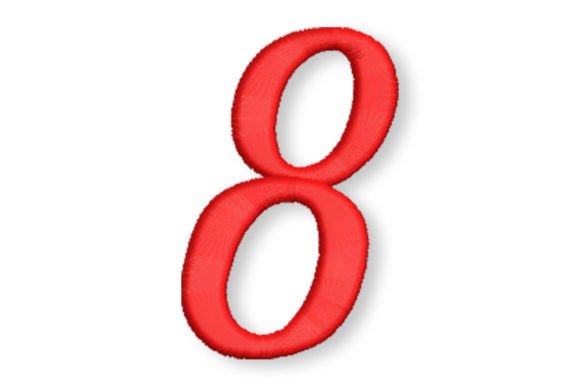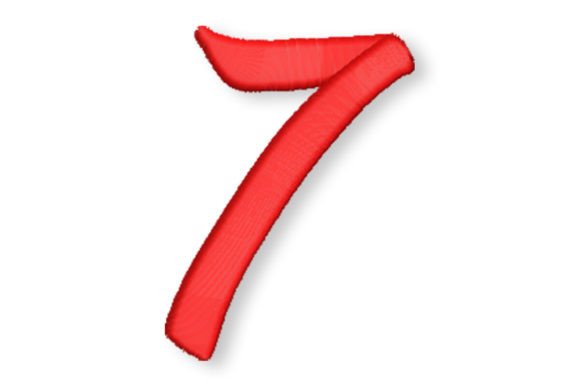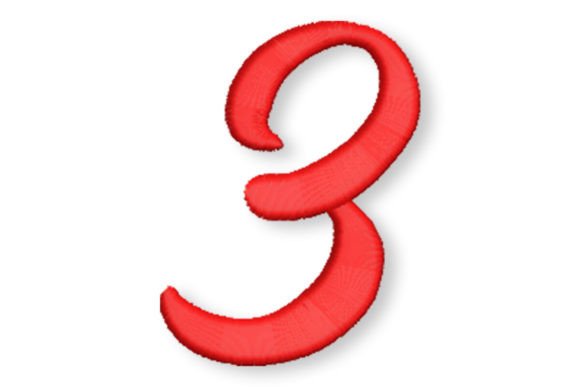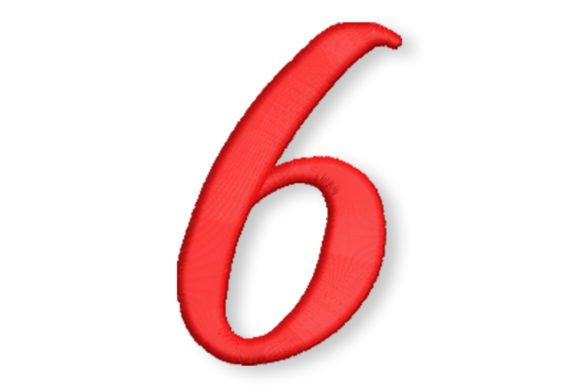
Script Number Six: A Strategic Approach to Embroidery Typography
In the realm of machine embroidery, the choice of font is rarely just an aesthetic decision; it is a critical component of brand identity and product positioning. Script Number Six stands out as a versatile design element that bridges the gap between casual elegance and professional polish. For entrepreneurs, small business owners, and creative professionals, understanding how to leverage this specific script font can significantly impact the perceived value of embroidered goods. Unlike generic typefaces that blend into the background, Script Number Six offers distinct character strokes and flow that command attention while maintaining readability across various fabric textures.
The strategic utility of Script Number Six lies in its adaptability. Whether you are producing custom uniforms for a corporate team, creating limited-edition apparel for a boutique, or crafting personalized gifts for clients, this font provides a consistent visual language. It allows creators to communicate sophistication without sacrificing the warmth often associated with hand-stitched lettering. By integrating this design into your workflow, you are not merely adding text to fabric; you are enhancing the narrative of your product through thoughtful typography.
Evaluating the Design Mechanics and Technical Versatility
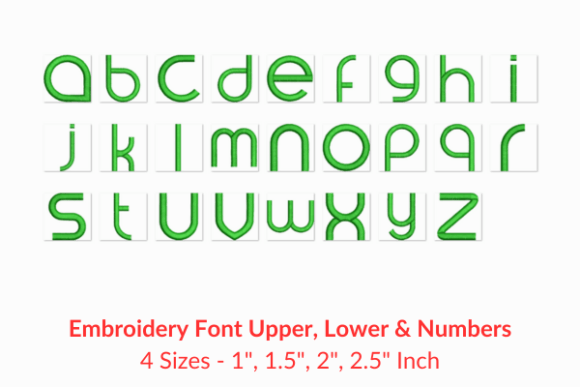
Before committing to a new embroidery asset, it is essential to assess its technical robustness. Script Number Six is engineered to perform reliably across a wide spectrum of embroidery machines. This compatibility is a significant operational advantage for businesses that may utilize mixed fleets of equipment or for freelancers who need to work with client-provided machinery. The design comes pre-loaded with multiple file formats, ensuring seamless integration into popular digitizing software and direct-to-machine workflows.
This multi-format availability reduces friction in the production process. When a design translates accurately from one format to another, the risk of stitch errors, thread breaks, or misalignment decreases. For a production manager, this reliability translates to higher throughput and fewer rejected items. The intricate curves and loops inherent in Script Number Six are stabilized by precise underlay patterns and pull compensation, which are crucial for maintaining the integrity of the script on stretchy knits or dense wovens alike.
Understanding these technical underpinnings allows you to make informed decisions about where to deploy the font. If your operation relies on speed and consistency, knowing that Script Number Six is optimized for various machine types means you can scale your projects with confidence. You avoid the common pitfall of selecting a visually appealing font that fails under the mechanical stress of high-speed stitching.
Aligning Typography with Brand Positioning
Typography in embroidery serves as a silent ambassador for your brand. Script Number Six carries a tone that is both approachable and refined, making it particularly effective for brands targeting consumers aged 20 to 50 who value quality and personalization. When used strategically, this font can elevate a standard garment into a premium item. Consider the context of a local café ordering aprons for their staff. Using a bold, blocky font might convey efficiency, but Script Number Six conveys craftsmanship and care, aligning perfectly with a brand promise of artisanal quality.
For marketers and content creators, the visual impact of the font extends beyond the physical product. In promotional materials, social media showcases, and portfolio presentations, the distinct look of Script Number Six helps establish a recognizable visual identity. Consistency in design elements reinforces brand recall. If you choose this script for your logo embroidery, ensure that the digital representation of your brand also reflects similar stylistic choices to create a cohesive ecosystem.
However, alignment requires intentionality. Do not use Script Number Six simply because it looks "nice." Use it because it supports the specific message you want to send. If your brand is ultra-modern and minimalist, a highly ornate script might clash with your overall aesthetic. Conversely, if your goal is to evoke tradition, heritage, or luxury, the flowing lines of this font provide the necessary emotional resonance.
Operational Planning and Workflow Integration
Integrating a new design like Script Number Six into your production workflow requires careful planning to maximize efficiency. Begin by testing the design on sample fabrics that match your final products. Even with excellent digitization, different materials react uniquely to needle penetration and thread tension. Document the optimal settings—hooping pressure, stabilizer type, and needle size—for each material combination. This data becomes a valuable asset for your operations team, reducing setup time for future orders.
When managing inventory and project timelines, consider the complexity of the script. While Script Number Six is designed for efficiency, cursive fonts generally require more stitches than simple sans-serif options. Factor this into your cost calculations and turnaround times. Accurate estimation prevents margin erosion and ensures you can meet delivery deadlines without compromising quality. For freelancers and small business owners, this precision is the difference between a profitable project and a loss leader.
Furthermore, plan for scalability. As your business grows, the demand for personalized items often increases. Having a reliable, high-quality font ready in multiple formats allows you to handle volume spikes without bottlenecks. You can assign tasks to different operators or machines without worrying about file compatibility issues. This foresight supports long-term growth and operational stability.
Risks of Unintentional Usage
Despite its versatility, Script Number Six is not a universal solution. The primary risk lies in using the font without a clear strategic goal. Applying a script font to a design where readability is paramount, such as safety labels or instructional signage, can lead to communication failures. The decorative nature of the script may obscure critical information, rendering the embroidery ineffective for its intended purpose.
Another potential pitfall is overuse. If every item in your catalog features the same script font, your products may begin to feel repetitive rather than curated. Variety in typography can signal diversity in your offerings. Reserve Script Number Six for applications where its specific character adds value, such as monograms, signature logos, or accent text. Avoid forcing it into contexts where it does not fit naturally.
Additionally, be wary of assuming that the font will look identical on all substrates. Without proper testing, the fluid lines of the script can become distorted on textured or loose-weave fabrics, leading to a messy appearance that undermines the perceived quality of your work. Always prioritize testing over assumption to maintain high standards.
Maximizing Long-Term Value and Creativity
To truly harness the power of Script Number Six, view it as a tool for creativity and differentiation rather than just a text option. Experiment with color combinations, thread weights, and placement strategies to see how the font interacts with different design elements. For instance, pairing the script with a solid geometric shape can create a striking contrast that highlights the elegance of the lettering. These creative experiments can lead to unique product signatures that set you apart in a crowded market.
From an educational perspective, studying how Script Number Six is constructed can improve your overall understanding of embroidery digitizing principles. Analyzing the stitch direction, density, and underlay techniques used in this design can inform your approach to other projects. This continuous learning cycle enhances your skills as a practitioner and contributes to the long-term evolution of your craft.
Ultimately, the value of Script Number Six is realized when it is deployed with purpose. It should serve your business objectives, whether that is increasing brand recognition, improving customer satisfaction, or streamlining production. By approaching this embroidery font with a strategic mindset, you transform a simple design file into a powerful asset that drives results. Make the decision to use it based on data, testing, and a clear vision of the outcome you wish to achieve.
- Test Rigorously: Always validate the font on actual production materials before committing to large runs.
- Maintain Context: Ensure the script style aligns with the brand voice and the functional requirements of the item.
- Leverage Formats: Utilize the multiple file formats to optimize your workflow across different machines and software.
- Balance Variety: Use Script Number Six selectively to prevent visual fatigue and maintain design freshness.
- Focus on Readability: Prioritize legibility in functional applications to avoid communication breakdowns.
In conclusion, Script Number Six represents more than just a collection of stitched letters; it is a strategic resource for those who understand the intersection of design, technology, and business. By applying it thoughtfully, you enhance the quality of your output and strengthen your market position. The key lies in intentionality—using the right tool for the right job at the right time. With careful planning and execution, this embroidery design can become a cornerstone of your creative and commercial success.