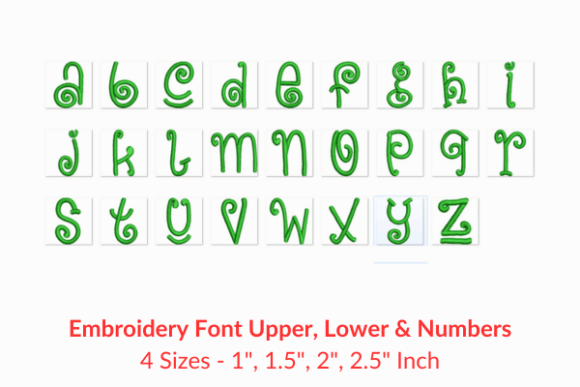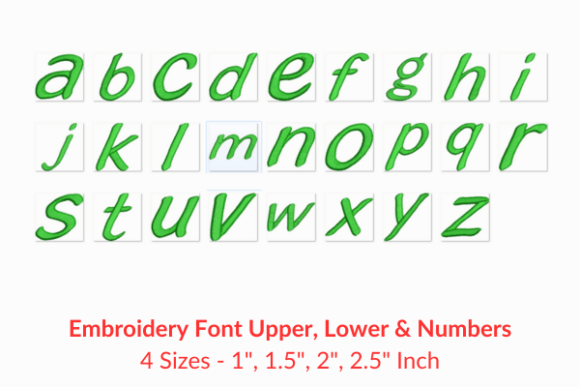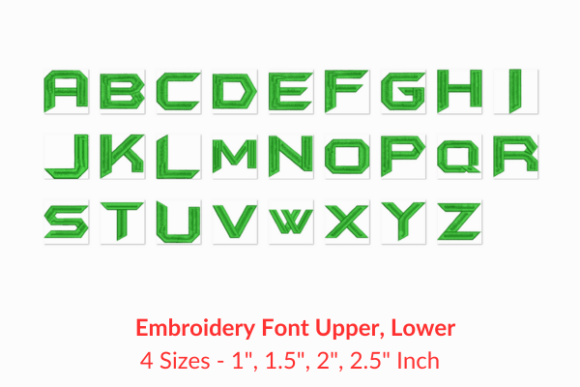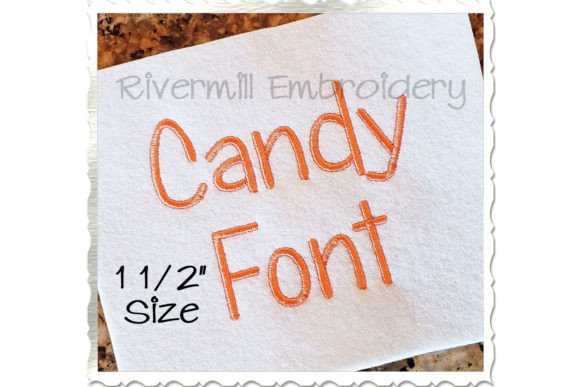
Mastering Script Number Seven: A Guide to Elegant Embroidery Fonts and File Formats
In the world of textile customization, the difference between a good design and a great one often comes down to typography. Among the vast array of digital assets available to crafters and businesses alike, Script Number Seven has emerged as a standout choice for those seeking elegance and fluidity. This specific embroidery font is not merely a collection of letters; it represents a sophisticated approach to personalization that bridges the gap between traditional calligraphy and modern machine technology. Whether you are a hobbyist looking to add a personal touch to a home decor project or a business owner aiming to elevate your brand's merchandise, understanding the nuances of this design can significantly enhance your creative output.
The Art and Utility of Script Embroidery Font Number Seven
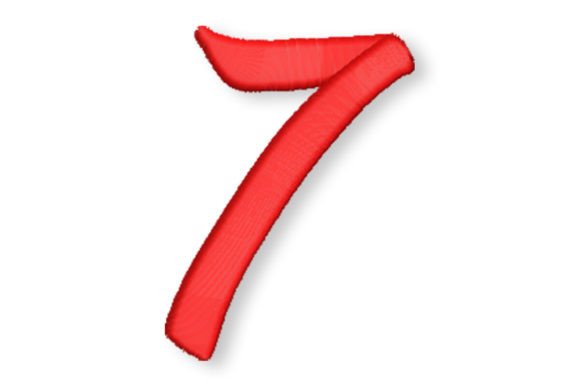
At its core, Script Number Seven is designed to mimic the flowing, connected strokes of handwritten cursive. Unlike blocky sans-serif fonts or rigid serif typefaces, script fonts rely on the rhythm of line thickness and the graceful connection between characters. This particular iteration, labeled "Number Seven," offers a balanced weight that ensures legibility while maintaining an air of luxury. It is particularly effective for names, monograms, short phrases, and decorative accents where a formal yet intimate tone is desired.
The significance of such a font in modern embroidery cannot be overstated. In an era where mass production often leads to generic results, unique typography allows creators to inject personality into their work. For instance, imagine a wedding guest book cover embroidered with the couple's initials in a bold, standard font versus the same initials rendered in the delicate swirls of Script Number Seven. The latter immediately conveys a sense of occasion and bespoke craftsmanship. Similarly, in the realm of corporate branding, using a high-quality script font on executive gifts or premium packaging can signal attention to detail and quality assurance.
Why Typography Matters in Machine Embroidery
Many beginners assume that any text can simply be typed into an embroidery software and stitched out perfectly. However, this is a common misunderstanding. Standard computer fonts are vector-based images meant for screens and printers, lacking the structural integrity required for physical stitching. When converted naively, they often result in broken stitches, excessive thread usage, or illegible designs.
This is where specialized embroidery fonts like Script Number Seven become essential. These fonts are pre-digitized, meaning the stitch count, pull compensation, and underlay patterns have already been calculated by experts. The "Seven" designation implies a specific style within a larger family, optimized to handle the curves and loops inherent in script writing without causing fabric distortion or thread bunching. By using a purpose-built font, users ensure that the final product looks as intended, regardless of the complexity of the letterforms.
Technical Versatility: Multiple File Formats Explained
One of the most compelling features of the Script Number Seven embroidery design is its compatibility across various platforms. The embroidery industry is fragmented, with different manufacturers utilizing proprietary file formats. A design purchased for one machine might not work on another without conversion, which can degrade the quality of the stitch pattern. To solve this, high-quality design packages include multiple file formats, ensuring that the user can utilize the font on almost any major embroidery machine on the market.
Understanding these formats is crucial for both hobbyists and professionals. Here are the most common formats included in comprehensive design packs:
- PES (Brother, Babylock, Bernina): Perhaps the most widely used format in the home sewing community. If you own a Brother machine, this is likely your primary format.
- JEF (Janome): Essential for Janome users, known for its robust handling of complex designs.
- DST (Tajima, Barudan): The industry standard for commercial machines. While less common in home settings, it is vital for small businesses scaling up production.
- HUS (Husqvarna Viking, Pfaff): Optimized for the specific mechanics of Husqvarna and Pfaff machines.
- EXP/SEW (Singer): Used by many Singer embroidery models, ensuring compatibility for a broad range of users.
By providing these formats, the creator of Script Number Seven removes a significant barrier to entry. Users do not need to invest in expensive third-party conversion software, which can sometimes alter stitch density or direction. Instead, they receive a ready-to-stitch file that preserves the original artistic intent of the digitizer. This versatility makes the font a cost-effective investment, as it future-proofs your projects against hardware upgrades or changes.
Integrating Script Number Seven into Modern Projects
The application of this font extends far beyond simple name tags. In today's creative landscape, machine embroidery is being integrated into diverse fields, from fashion design to interior styling. Let's explore how Script Number Seven fits into these modern contexts.
Fashion and Apparel: Custom streetwear and boutique clothing often feature script lettering on the back of jackets, sleeves, or hems. The fluid nature of Script Number Seven complements organic fabrics like cotton, linen, and denim. Because the font is optimized for stability, it holds up well even after repeated washing, making it suitable for durable apparel.
Home Decor and Gifts: Personalized items are a staple of the gift economy. Towels, pillowcases, and table runners embroidered with a family name or a meaningful quote in Script Number Seven transform ordinary household items into heirlooms. The script style adds a touch of warmth that printed graphics often fail to achieve.
Small Business Branding: For entrepreneurs, consistency is key. Using a distinct script font on uniforms, tote bags, and promotional materials helps establish a recognizable visual identity. The professional finish provided by a well-digitized font like this one assures customers of the brand's commitment to quality.
Common Misconceptions and Best Practices
Despite the accessibility of modern embroidery tools, several myths persist regarding script fonts. One prevalent assumption is that script fonts are too difficult to stitch on stretchy or textured fabrics. While it is true that stabilizers play a critical role, the issue usually lies in the preparation rather than the font itself. Script Number Seven is designed with appropriate pull compensation, but the user must still select the correct stabilizer—such as cut-away for knits or tear-away for wovens—to support the intricate stitches.
Another misconception is that larger sizes automatically yield better results. While script fonts generally scale well, there is a limit to how small they can go before details are lost. Conversely, extremely large sizes may require additional anchoring stitches to prevent the design from shifting during the hoop process. Always test your design on a scrap piece of fabric similar to your final material before committing to the main project.
Furthermore, some users believe that all script fonts look the same. This is far from the truth. Each number in a series, such as "Number Seven," represents a unique variation in stroke width, loop size, and slant. Choosing the right variant depends on the context. A bolder script might be needed for dark fabrics, while a finer line works best on light, delicate materials.
Maximizing Your Creative Potential
To truly leverage Script Number Seven, consider experimenting with colorwork and texture. Since the font is available in multiple formats, you can easily manipulate the design in your embroidery software to split colors or change thread types. Metallic threads, for example, can make the script pop on a dark background, adding a festive flair to holiday decorations. Alternatively, using variegated thread can create a subtle gradient effect that enhances the hand-written aesthetic.
Education plays a pivotal role in mastering these tools. As technology advances, the barrier between digital design and physical creation continues to shrink. Resources such as online tutorials, community forums, and manufacturer guides can help users refine their skills. Understanding the mechanics of your machine, the properties of different threads, and the art of digitization will empower you to push the boundaries of what is possible with a single font file.
Conclusion: Elevating Craft Through Precision
Script Number Seven is more than just a downloadable file; it is a tool for expression that combines the timeless beauty of calligraphy with the precision of modern machinery. Its availability in multiple formats ensures that it remains accessible to a wide audience, from weekend crafters to industrial designers. By understanding the technical requirements and creative possibilities associated with this font, users can produce high-quality, professional-grade embroidery that stands out in a crowded market.
As you embark on your next project, remember that the success of your design lies not only in the software or the machine but in the thoughtful selection of elements like typography. Embrace the versatility of Script Number Seven, experiment with different applications, and let your creativity guide the needle. In doing so, you will discover that the intersection of art and technology offers endless opportunities to create something truly unique and memorable.