Mastering the 1 1 2 Graham Embroidery Font for Professional Textile Design
In the intricate world of machine embroidery, the selection of a typeface often dictates the success of a project as much as the fabric choice or thread color. Among the vast array of digital alphabets available to modern stitchers, the 1 1 2 Graham Embroidery Font stands out as a versatile and robust option for designers seeking clarity and character. This specific design set offers a comprehensive collection of upper and lower case letters, along with numbers from 0 to 9, all standardized in a precise 1 1/2 inch size. For professionals and hobbyists alike, understanding the nuances of this font is essential for integrating text seamlessly into garments, home decor, and promotional items.
The Structural Integrity of the Graham Typeface
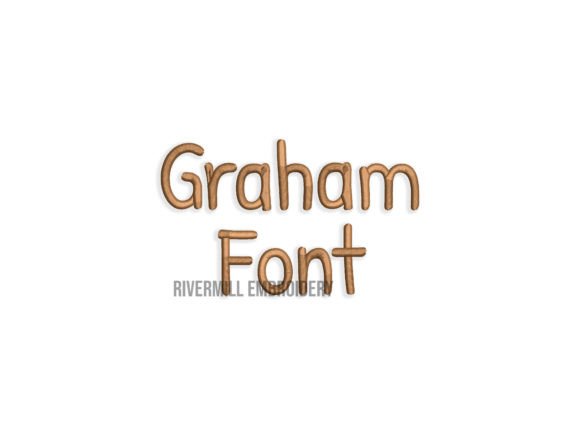
The defining characteristic of the 1 1 2 Graham Embroidery Font lies in its structural balance. Unlike many script fonts that rely on delicate threads which can easily break or pucker, the Graham style is engineered for durability and legibility. The 1 1/2-inch height provides a substantial footprint, making it ideal for applications where visibility is paramount, such as team jerseys, corporate logos, or signage. When analyzing the stitch count and density, one finds that the design prioritizes stability without sacrificing aesthetic appeal.
It is crucial to note that the technical specifications provided in standard summaries typically reference the dimensions of the letter "A" and the lowercase "a". These serve as benchmarks for the overall scale of the font. However, because typography involves varying widths and ascenders/descenders, the full dimension details for all 62 characters in the set are best accessed through the dedicated More Sewing Info PDF. This document provides a granular breakdown of how each character occupies space, ensuring that users can plan their hoop layouts with mathematical precision before committing thread to fabric.
Stitch Density and Fabric Compatibility
When working with the 1 1 2 Graham Embroidery Font, stitch density plays a pivotal role in determining the final look and feel. A font of this size generally requires a moderate to high stitch count to maintain the boldness of the strokes. On heavy-duty fabrics like denim or canvas, this density creates a raised, textured effect that adds depth to the design. Conversely, on lighter materials such as linen or silk, the same density might require the use of a tear-away stabilizer to prevent distortion.
The versatility of the Graham font extends to its compatibility with various needle sizes and thread types. Because the design includes both uppercase and lowercase variations, it allows for mixed-case text, which is often preferred in modern branding over all-caps shouting. The inclusion of numbers 0-9 further expands its utility, making it suitable for address labels, date stamps on commemorative items, and even personalized sports uniforms where player numbers are essential.
Workflow Integration for Digital Embroidery
One of the most significant advantages of the 1 1 2 Graham Embroidery Font is its multi-format compatibility. In the contemporary embroidery landscape, machines vary wildly in their proprietary file requirements. Whether a user operates a Brother, Janome, Bernina, or Tajima machine, the availability of multiple file formats ensures that this design is universally accessible. The primary format mentioned is PES, which is widely recognized as the industry standard for many consumer and semi-industrial machines.
Integrating this font into a workflow begins with downloading the file package and verifying the format against the specific machine being used. If the machine does not natively support the downloaded format, conversion software can be utilized. However, the direct availability of multiple formats reduces the risk of data corruption or stitch path errors that sometimes occur during conversion. This reliability is particularly important for business owners who cannot afford downtime due to file incompatibility issues.
For educators teaching embroidery classes, the 1 1 2 Graham Embroidery Font serves as an excellent pedagogical tool. Its clear structure allows students to observe how stitches are built up to form letters. Teachers can demonstrate how to adjust tension, select appropriate hoops, and apply stabilizers using a font that is forgiving yet demanding enough to teach proper technique. The consistent sizing across the alphabet helps learners understand the concept of uniformity in text-based designs.
Scaling and Customization Considerations
While the default size is 1 1/2 inches, the nature of vector-based or digitized fonts often allows for scaling within certain limits. It is important to approach resizing with caution. Scaling the Graham font down too significantly can result in lost detail and potential stitching errors, while scaling it up may require additional anchor points or adjustments to the underlay to prevent shifting. The original 1 1/2-inch specification is optimized for the stitch count provided; deviating from this should be done only after testing on a scrap piece of fabric.
Designers often combine this font with other elements, such as floral motifs or geometric borders. The blocky yet elegant nature of the Graham typeface pairs well with traditional scrollwork and modern minimalist lines. When planning a composite design, the dimensions of the letters must be accounted for to ensure balanced spacing. The summary information regarding "A" and "a" acts as a starting point, but the full PDF resource remains indispensable for complex layout planning involving the entire 62-character set.
Real-World Applications and Industry Use Cases
The practical application of the 1 1 2 Graham Embroidery Font spans a wide spectrum of industries. In the fashion sector, it is frequently used for monogramming luxury handbags, towels, and linens. The size is large enough to be seen from a distance but small enough to fit neatly on a chest pocket or a cuff. For the hospitality industry, hotels and resorts utilize this font to personalize guest robes and bathrobes, adding a touch of bespoke service that enhances the customer experience.
Sports teams and organizations also find immense value in this font. The inclusion of numerals makes it perfect for customizing practice jerseys, warm-up jackets, and equipment bags. The durability of the stitch pattern ensures that the text withstands repeated washing and rigorous physical activity. Furthermore, the clean lines of the Graham font contribute to a professional appearance, avoiding the cluttered look that can arise from overly decorative scripts on athletic wear.
In the realm of home decor, this font transforms ordinary textiles into personalized art. Throw pillows, table runners, and wall hangings featuring names, dates, or inspirational quotes gain a handmade quality when executed with the 1 1 2 Graham Embroidery Font. The ability to mix upper and lower case letters allows for more natural phrasing, enhancing the readability and emotional impact of the message. Whether it is a nursery item with a child's name or a kitchen towel with a family recipe, the font adapts gracefully to domestic settings.
Educational and Research Perspectives
From an educational standpoint, the study of fonts like Graham offers insights into the history of typography and its translation into textile arts. Researchers in textile engineering can analyze the stitch efficiency and material usage associated with this specific design. Understanding how a 1 1/2-inch letter is constructed helps in developing new digitizing techniques that minimize waste and maximize speed.
For hobbyists entering the field, the 1 1 2 Graham Embroidery Font represents a bridge between simple pre-made designs and fully custom digitized work. It provides a structured framework that encourages experimentation with colors and placements without the overwhelming complexity of creating a font from scratch. This accessibility fosters creativity and builds confidence among amateur stitchers, allowing them to produce professional-grade results with minimal technical barriers.
Optimizing Output Quality and Longevity
To achieve the best results with the 1 1 2 Graham Embroidery Font, attention to detail in the preparation phase is non-negotiable. Proper hooping is critical; the fabric must be taut to prevent puckering, especially around the dense areas of capital letters. The use of the correct stabilizer—whether cut-away for stretchy knits or tear-away for woven cottons—ensures that the stitches lie flat and retain their shape over time.
Thread selection also impacts the longevity of the design. High-quality polyester or rayon threads are recommended for their sheen and resistance to fading. When embroidering the numbers and letters of the Graham set, matching the thread weight to the needle size prevents skipped stitches and breaks. Regular maintenance of the embroidery machine, including cleaning the bobbin area and oiling moving parts, further guarantees that the intricate details of the font are rendered accurately.
Finally, post-embroidery care instructions should be communicated to the end-user. While the 1 1 2 Graham Embroidery Font is durable, improper washing can degrade the design. Turning garments inside out before washing and avoiding high heat in dryers can extend the life of the embroidered text. By following these best practices, creators can ensure that their projects remain vibrant and intact for years, reinforcing the reputation of the Graham font as a reliable choice for high-quality textile embellishment.
Future Trends in Textile Typography
As technology advances, the demand for customizable, high-resolution embroidery fonts continues to grow. The 1 1 2 Graham Embroidery Font exemplifies the shift towards modular design systems where individual characters can be combined in infinite ways. Future trends may see increased integration with smart manufacturing, where these fonts are automatically adjusted based on fabric sensors and real-time machine feedback. Regardless of technological shifts, the fundamental principles of legibility, durability, and aesthetic balance embodied by the Graham font will remain central to successful embroidery design.