Script Numbers Zero: A Practical Guide to Evaluating This Embroidery Font
For embroidery enthusiasts and professionals alike, the choice of font can define the aesthetic success of a project. Among the myriad options available in digital design libraries, Script Numbers Zero has emerged as a notable resource for those seeking a blend of elegance and legibility. This specific machine embroidery design is not merely a collection of characters; it represents a specific stylistic approach that balances fluid cursive lines with the structural integrity required for stitching. Understanding what makes this design distinct, how it compares to other script styles, and when it fits best into a workflow is essential for making an informed purchasing decision.
Defining the Design: What Makes Script Numbers Zero Distinct
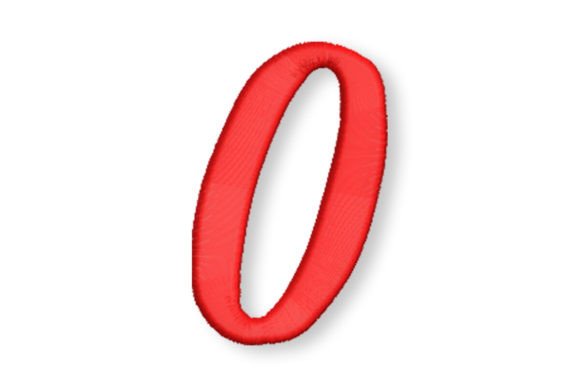
At its core, Script Numbers Zero is a digitized typeface designed specifically for the constraints and capabilities of embroidery machines. Unlike standard computer fonts that prioritize screen rendering, this design accounts for stitch density, underlay requirements, and thread tension. The "Zero" designation often implies a foundational or classic iteration within a broader family of script numbers, focusing on a clean, unadorned aesthetic that avoids excessive flourishes which can complicate stitching on certain fabrics.
The primary distinction of this design lies in its versatility across different file formats. In the world of machine embroidery, compatibility is paramount. A design that looks perfect on a high-end industrial machine may fail on a home hobbyist model if the file format is incompatible or the stitch count is too dense. Script Numbers Zero addresses this by being distributed in multiple industry-standard formats, such as .PES, .DST, .JEF, and .EXP. This multi-format availability ensures that users are not locked into a single brand of machinery, offering a level of flexibility that many proprietary designs lack.
Furthermore, the digitization quality of these numbers focuses on readability. Script fonts often suffer from illegibility when stitched at small sizes because the loops and tails of the letters merge together. This particular design maintains clear separation between strokes even at reduced scales, making it suitable for applications ranging from large monograms on towels to small date markers on wedding invitations.
Comparing Script Styles: Tradeoffs and Alternatives
When evaluating Script Numbers Zero, it is helpful to place it within the broader context of script embroidery fonts. Generally, script fonts fall into two categories: decorative and functional. Decorative scripts are characterized by elaborate swirls, high contrast between thick and thin lines, and extensive use of satin stitches. While visually striking, these designs often require stabilizers, higher-quality threads, and skilled manipulation to prevent puckering or thread breakage.
In contrast, Script Numbers Zero leans towards the functional side of the spectrum. It offers the visual appeal of a handwritten style without the extreme complexity of highly ornate alternatives. When compared to block lettering or sans-serif embroidery fonts, script numbers provide a softer, more personalized touch. However, they do come with tradeoffs. Block letters are generally faster to stitch and easier to read at very small sizes, whereas script numbers require more time due to increased stitch counts per character.
Another alternative to consider is the use of custom digitizing services. Some users prefer to have a unique font created specifically for their project rather than purchasing a pre-made design like Script Numbers Zero. While custom work offers total control over every stitch, it is significantly more expensive and time-consuming. For most hobbyists and small business owners, the balance offered by a well-digitized, ready-to-use design provides a practical middle ground between cost, time, and quality.
Evaluating File Formats and Machine Compatibility
A critical factor in choosing an embroidery design is the compatibility with your specific equipment. The fact that Script Numbers Zero comes with multiple file formats is a significant advantage. Different embroidery machines utilize different proprietary languages to interpret design data. For instance, Brother machines typically use .PES files, while Bernina machines rely on .ART or .BDA formats, and Tajima industrial machines often use .DST.
Having access to these various formats means you do not need to purchase third-party conversion software, which can sometimes introduce errors or alter the stitch path. Direct usage of the native file format ensures that the design executes exactly as intended by the original digitizer. This reliability is particularly important for professional environments where consistency is key. If you operate a mixed fleet of machines or frequently switch between personal and commercial projects, a multi-format package reduces friction in your workflow.
Best-Fit Situations: When to Choose This Design
Determining whether Script Numbers Zero is the right choice depends largely on the nature of the project and the substrate being used. This design excels in situations where a touch of sophistication is required without overwhelming the base material. It is an excellent fit for:
- Wedding and Event Stationery: Items like napkins, table runners, and guest books often benefit from the romantic yet readable nature of script numbers. The ability to stitch dates or table numbers elegantly enhances the overall theme.
- Personalized Apparel: Adding a birth year, a jersey number, or a significant date to t-shirts, hats, or tote bags creates a customized look. The design's clarity ensures that these numbers remain legible after washing and wear.
- Home Décor Accents: Embroidered pillows, blankets, and kitchen towels often feature script text. This font works well here because it adds texture and personality without looking overly formal or stiff.
Conversely, there are scenarios where this design might not be the optimal choice. If the project requires extreme durability in harsh conditions, such as heavy-duty workwear or outdoor gear, a simpler, denser block font might offer better longevity. Additionally, if the fabric is extremely sheer or stretchy, the intricate curves of a script font may cause distortion unless heavily stabilized. In such cases, a bolder, less detailed typeface could yield better results.
Practical Considerations for Implementation
Even with a high-quality design like Script Numbers Zero, successful execution relies on proper preparation. The first step is always to test the design on a scrap piece of the actual fabric intended for the final product. This allows you to assess how the thread interacts with the material and whether the chosen hoop size accommodates the design without shifting.
Stabilizer selection is another crucial variable. Script fonts, with their varying stitch directions and densities, often require a cut-away stabilizer to maintain the shape of the loops and prevent sinking. Water-soluble stabilizers can also be effective for delicate fabrics, provided they are applied correctly. Ignoring these preparatory steps can lead to frustration, even with a superior design file.
Furthermore, users should consider the scale of the project. While Script Numbers Zero is versatile, resizing any embroidery design beyond recommended limits can degrade quality. Enlarging too much may expose gaps in the fill stitches, while shrinking too much can cause stitches to overlap and create a muddy appearance. Adhering to the manufacturer's suggested size range ensures the design retains its intended aesthetic.
Decision Factors: Weighing Value and Utility
Ultimately, the decision to incorporate Script Numbers Zero into your design library should be based on a cost-benefit analysis of your specific needs. If you frequently produce items requiring elegant numbering, the investment in a multi-format, high-quality design pays off through time savings and consistent results. The ability to use the same design across different machines eliminates the need for multiple purchases or risky conversions.
However, if your work primarily involves bold, industrial branding or large-scale signage, a script font may not align with your brand identity. In those instances, exploring geometric or sans-serif alternatives would be more appropriate. It is also worth considering the learning curve associated with script fonts. Beginners might find the setup and hooping of curved text slightly more challenging than straight lines, though modern machines have made this process increasingly user-friendly.
In conclusion, Script Numbers Zero represents a balanced option in the embroidery market. It bridges the gap between decorative flair and functional utility, supported by the technical convenience of multiple file formats. By understanding its strengths, limitations, and ideal use cases, embroiderers can make a confident choice that enhances their projects while maintaining efficiency in their workflow. Whether for a one-off gift or a recurring commercial order, evaluating how this design fits into your broader toolkit is the first step toward achieving professional-grade results.