Library Checkout Card: A Practical Guide to This Nostalgic Embroidery Design
The Library Checkout Card embroidery design offers a unique intersection of nostalgia and modern textile art. For crafters looking to add a touch of literary charm to their projects, this motif stands out by capturing the distinct aesthetic of vintage library systems. Unlike generic book-related designs that often feature open books or stacks of novels, the Library Checkout Card focuses on the administrative artifact itself—the small card catalog slip that once tracked the movement of literature through public institutions. This specific design element provides a bright and cheery decoration that can transform ordinary items into personalized keepsakes for book lovers, librarians, and students alike.
Understanding the Distinctive Appeal of the Design
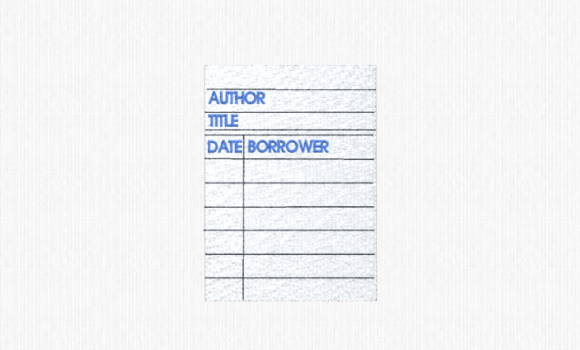
To evaluate whether this design fits your creative needs, it is essential to understand what makes the Library Checkout Card distinct within the realm of machine embroidery. The visual language of the design typically mimics the perforated edges, stamped dates, and handwritten-style typography found on historical checkout slips. These details are rendered in a way that balances legibility with artistic flair, ensuring the final stitched result is recognizable without appearing cluttered.
The primary strength of this design lies in its narrative potential. While a simple flower or geometric pattern adds color, a Library Checkout Card tells a story about reading habits, intellectual curiosity, and the quiet atmosphere of a library. It serves as a conversation starter, often resonating deeply with adults who grew up during the era of physical card catalogs or those who simply appreciate the tactile history of information management. The design's ability to evoke a sense of warmth and community makes it particularly effective for gifts intended for teachers, authors, or avid readers.
Technical Versatility and File Formats
From a technical standpoint, the utility of the Library Checkout Card design is significantly enhanced by its availability in multiple embroidery file formats. Machine embroidery requires precise digital instructions, and different machines utilize different proprietary formats. A robust design package will include standard extensions such as .PES, .DST, .JEF, and .XXX, ensuring compatibility with major brands like Brother, Bernina, Janome, and Tajima.
This multi-format approach removes a significant barrier to entry for hobbyists. Previously, crafters might have needed to purchase specialized conversion software to adapt a design for their specific machine. By providing native files for various systems, the Library Checkout Card design streamlines the workflow, allowing users to move from download to stitching with minimal friction. However, users should still verify their machine's hoop size capabilities against the design dimensions to ensure the best possible stitch density and registration.
Comparing Styles: Checkout Cards vs. Traditional Literary Motifs
When selecting an embroidery motif for a project, the decision often comes down to the desired aesthetic impact. The Library Checkout Card competes with other popular literary-themed designs, such as open books, quill pens, and typewriters. Each option carries a different weight and visual association.
Traditional motifs like open books are universally understood but can sometimes feel generic. They represent the act of reading broadly but lack the specific historical texture of the checkout card. In contrast, the Library Checkout Card offers a more niche, retro appeal. It feels curated and intentional. For a tote bag intended for a general audience, a classic book icon might be safer. However, for a personalized pillowcase for a librarian or a patch for a book club jacket, the checkout card provides a layer of specificity that generic symbols cannot match.
Another comparison point is the level of detail required. Simple line-art designs of books often require fewer stitches and less thread, making them faster to produce. The Library Checkout Card, with its simulated text and border details, may require a higher stitch count and more careful tension management. This tradeoff means the project takes longer to complete, but the resulting complexity often yields a more premium look. Crafters must weigh their available time against the desire for intricate detail when choosing between these styles.
Evaluating Fabric and Item Suitability
The choice of item to decorate plays a crucial role in how well the Library Checkout Card design performs. Because the design relies on clear lines and readable elements, it thrives on stable fabrics. Denim, canvas, and heavy cottons provide an excellent foundation, allowing the stitches to sit flat and maintain their shape over time. On these materials, the "card" effect is convincing, and the perforated edges can be stitched with precision.
Conversely, delicate fabrics like silk or stretchy knits present challenges. The density of the text and borders might cause puckering on thin materials unless stabilized correctly. Furthermore, the nostalgic theme of the design pairs naturally with rustic or vintage-inspired items. Placing a modern, high-gloss finish on a sleek leather wallet might clash with the retro vibe of the checkout card. Instead, consider applying this design to canvas tote bags, denim jackets, felt hats, or linen tea towels where the texture complements the vintage aesthetic.
Decision Factors: When to Choose This Design
Determining if the Library Checkout Card is the right choice for your next project involves assessing your target audience and the intended use of the finished product. This design is particularly well-suited for custom gifts where personalization is key. If you know the recipient has a deep appreciation for libraries or the history of reading, this motif acts as a direct nod to their interests.
It is also an excellent option for small business owners creating branded merchandise for bookstores, libraries, or literary festivals. The design conveys professionalism while maintaining a friendly, approachable tone. Unlike corporate logos which can be stiff, the embroidery style softens the message, making the brand feel more human and community-oriented.
However, there are scenarios where this design may not be the optimal fit. If the goal is to create a subtle, minimalist accent, the detailed nature of the checkout card might overwhelm the item. Similarly, if the recipient is unfamiliar with the concept of library cards or does not value the nostalgia associated with them, the design may lose its emotional resonance. In such cases, a more abstract representation of reading or a purely decorative floral pattern might serve the purpose better.
Tradeoffs in Production and Customization
One practical consideration is the potential for customization. Many Library Checkout Card designs allow for the modification of text fields. Users can often change the "Due Date" or the "Book Title" to something relevant to the recipient, such as their name or a favorite quote. This feature adds significant value but introduces a variable in production time. Editing the file to accommodate long names or complex phrases requires familiarity with embroidery editing software. If you lack this technical skill, you may need to stick to the default text or hire a professional to make the adjustments, which adds cost and time to the project.
Additionally, the color palette of the design usually leans towards muted, vintage tones like sepia, navy, or forest green to mimic aged paper and ink. While this enhances the aesthetic, it limits the ability to use bright, neon, or pastel threads unless the user is willing to alter the digitized file significantly. Those seeking a vibrant, pop-art style might find the traditional color scheme too subdued, necessitating a search for alternative designs or a willingness to experiment with thread choices that deviate from the original intent.
Maximizing Value Through Strategic Application
To get the most out of the Library Checkout Card embroidery design, strategic placement and thoughtful execution are paramount. Consider using the design as a focal point on larger items like backpacks or blankets, where the details can be appreciated from a distance. Alternatively, use it as a small, discreet emblem on the cuff of a shirt or the corner of a notebook cover for a more understated statement.
The versatility of the file formats ensures that you can test the design on a scrap piece of fabric before committing to your final material. This step is crucial for evaluating stitch density and tension settings. By taking the time to run a test, you can avoid costly mistakes and ensure that the final product meets your quality standards. Whether you are a seasoned embroiderer or a beginner exploring new patterns, understanding the nuances of this design allows you to create items that are not only functional but also rich in character and meaning.
Ultimately, the Library Checkout Card design offers a balanced blend of technical feasibility and artistic expression. It provides a meaningful alternative to generic motifs, offering a specific visual language that resonates with a dedicated audience. By carefully considering the fabric, the machine capabilities, and the intended message, crafters can leverage this design to create truly special and memorable embroidered pieces.