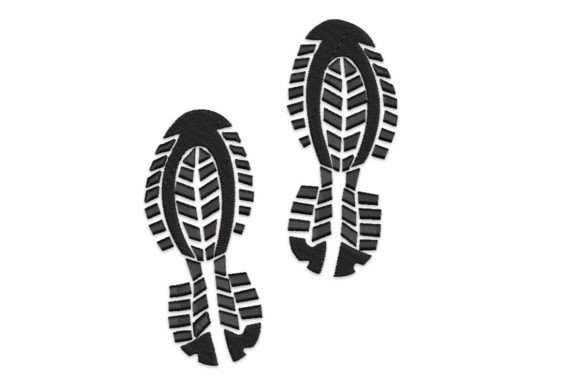
Footprint of Shoe Sole Embroidery Design
Adding a personal touch to home textiles has never been more accessible or creative. The Footprint of Shoe Sole embroidery design offers a unique way to transform ordinary fabrics into personalized keepsakes. Whether you are a seasoned stitcher looking for your next project or a beginner eager to try machine embroidery, this motif provides a charming blend of whimsy and practicality. Unlike traditional floral or geometric patterns, a shoe print brings a narrative element to your crafting, instantly suggesting movement, travel, or the comfort of home.
Understanding the Appeal of Shoe Print Motifs
The concept behind the Footprint of Shoe Sole is simple yet powerful. It captures the essence of a step, turning a mundane object into a decorative art form. In the world of textile arts, motifs that tell a story often resonate more deeply with viewers than abstract shapes. This specific design mimics the tread and outline of a shoe, offering a textured look that stands out against smooth fabrics like cotton or linen.
What makes this embroidery design particularly valuable is its versatility. It serves as a standalone statement piece or can be repeated to create a border or background pattern. For hobbyists, it represents an opportunity to practice different stitching techniques, such as satin stitches for outlines and fill stitches for texture. For professionals, it is a ready-made asset that can elevate product lines, adding a distinctive character to custom goods without requiring complex digitizing work.
Why Choose This Design for Your Projects?
There are several compelling reasons to incorporate the Footprint of Shoe Sole into your creative workflow. First, it addresses the growing demand for personalized home decor. People love items that feel bespoke, and a shoe print can symbolize a journey, a family member's presence, or a love for hiking and outdoor adventures. It transforms a standard towel or pillowcase into a conversation starter.
Secondly, the design is forgiving for beginners. Machine embroidery patterns based on footprints typically have clear, defined edges and manageable stitch counts. This reduces the likelihood of fabric puckering or thread breakage, common issues for those new to digital embroidery. You can achieve professional-looking results quickly, boosting confidence in your skills while producing high-quality items.
Furthermore, this motif fits seamlessly into various themes. It works well for baby showers, marking the first steps of a child, or for retirement gifts celebrating a lifetime of travel. The emotional connection provided by the imagery adds significant value to the finished product, making it a thoughtful gift option that feels far more special than store-bought alternatives.
Practical Applications in Home and Business
The utility of the Shoe Prints Embroidery Design extends far beyond a single type of fabric. Its adaptability allows it to enhance a wide range of household items and commercial products. Here are some realistic use cases where this design shines:
- Kitchen Towels and Aprons: Stitching a small footprint near the hem of a kitchen towel adds a playful touch. It suggests "walking" through the kitchen, perfect for a chef who loves to move around while cooking.
- Decorative Pillows and Throws: On larger surfaces like throw pillows, you can arrange multiple prints to create a path leading across the fabric. This adds depth and visual interest to living room decor.
- Baby Blankets and Burp Cloths: As mentioned, the theme of "first steps" is timeless. A soft, embroidered footprint on a baby blanket is a cherished heirloom that parents will appreciate for years.
- Apparel Accessories: Consider applying the design to the cuffs of denim jackets, the hems of skirts, or even tote bags. It gives off-cast clothing a custom, designer vibe.
- Business Branding: Small business owners selling handmade goods can use this design to brand their packaging or promotional items, reinforcing a message of "taking the next step" with their customers.
Technical Flexibility for Every Machine
One of the most significant advantages of this specific Footprint of Shoe Sole design is its technical compatibility. Modern embroidery enthusiasts often struggle with file formats, but this design solves that problem by coming in multiple industry-standard formats. Whether you use a Brother, Janome, Bernina, or Pfaff machine, you will likely find a compatible file included in the package.
This multi-format support ensures that the design translates accurately regardless of the hardware you own. The digitization process for these files is optimized to handle different fabric tensions and hoop sizes. You won't need to spend hours adjusting settings or converting files manually. Instead, you can load the design directly onto your machine and start stitching immediately. This efficiency is crucial for both casual users who want to finish a project in one sitting and entrepreneurs who need to produce items consistently for sale.
Key Considerations Before You Start Stitching
While the Footprint of Shoe Sole is user-friendly, there are a few important factors to consider to ensure the best possible outcome. Understanding these details will help you avoid common pitfalls and achieve a polished finish.
Fabric Choice Matters: While the design works on many materials, the texture of the fabric affects the final look. Smooth, tightly woven fabrics like quilting cotton or linen provide the crispest definition for the shoe tread details. Very stretchy knits may require a stabilizer to prevent distortion during stitching. If you are working with thick towels, ensure your needle size is appropriate to penetrate the loops without breaking.
Hoop Size and Placement: Check the dimensions of the design before hooping. Some shoe prints are large enough to require a 6x10 inch hoop, while smaller versions fit comfortably in a 4x4 inch frame. Plan your placement carefully; if you are creating a repeating pattern, leave enough space between prints so the stitches do not overlap awkwardly.
Stabilizer Usage: Never skip the stabilizer. Even for a relatively simple design like a shoe print, a cut-away or tear-away stabilizer underneath the fabric prevents puckering and supports the weight of the thread. This is especially true when embroidering on absorbent items like towels, which can shift easily under the needle.
Thread Color Selection: To make the footprint pop, choose a thread color that contrasts well with your base fabric. Dark blue or charcoal gray thread on white linen creates a classic, sophisticated look, while bright colors can add a fun, energetic vibe suitable for children's items. Experiment with floss shades to see what complements your specific project best.
Bringing Charm to Your Creative Life
Ultimately, the Footprint of Shoe Sole is more than just a digital file; it is a tool for expression. It invites you to think about how we mark our presence in the world, literally leaving a trace on the things we love. By using this embroidery design, you are engaging in a craft that combines technology with tradition, resulting in tangible beauty.
Whether you are decorating your own home, creating gifts for loved ones, or building a portfolio for your small business, this design offers a reliable and attractive solution. Its ability to adapt to various contexts, from cozy bath towels to stylish fashion accents, ensures it remains a relevant choice for creators at every level. Embrace the charm of the shoe print and let your creativity walk a new path.