Floral Book: Elevating Visual Design
Imagine a design that instantly bridges the gap between intellectual curiosity and organic beauty, captivating your audience before they even read a single word. This is the power of the Floral Book, a visual motif that merges the structured elegance of literature with the untamed charm of nature. For designers seeking to infuse their projects with depth and narrative, this concept offers more than just an aesthetic; it provides a strategic tool for storytelling through visual design.
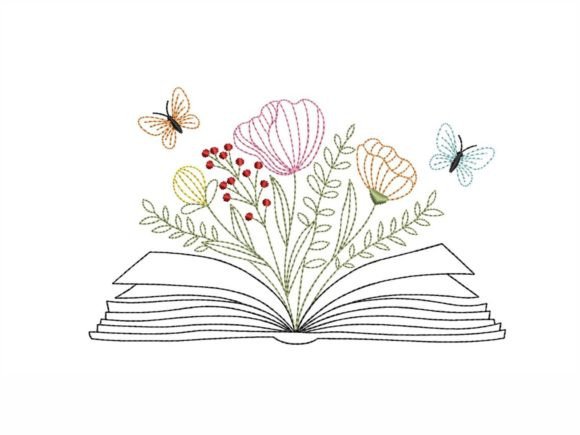
At its core, the Floral Book represents a harmonious blend of form and function. Whether utilized as a digital asset or translated into physical media like a Floral Book Embroidery Design, the imagery of an open book surrounded by blooming flowers and fluttering butterflies creates an immediate emotional connection. It speaks to growth, learning, and the blossoming of ideas—themes that resonate deeply in modern branding and creative communication.
The Strategic Value of Nature-Inspired Motifs
In the realm of graphic design, every element must serve a purpose within the visual hierarchy. The Floral Book motif excels here by acting as a focal point that guides the viewer's eye while establishing a sophisticated tone. Unlike generic clip art, a well-crafted floral and book composition adds texture and complexity to a layout without overwhelming the message.
When integrated into a brand identity, this imagery can soften corporate rigidity or add a touch of whimsy to educational platforms. It suggests that knowledge is not static but living and evolving. For marketers and creators, leveraging such rich creative assets allows for a more nuanced approach to digital marketing campaigns, where standing out requires both visual impact and conceptual clarity.
Practical Applications Across Design Disciplines
The versatility of the Floral Book theme makes it suitable for a wide array of design trends and industries. Its adaptability ensures it remains relevant whether you are working on print or digital interfaces.
- Branding and Logo Design: Use the motif to create memorable logos for libraries, bookstores, educational consultancies, or lifestyle brands focused on personal growth. The interplay of typography and floral elements can define a unique logo design that feels both timeless and fresh.
- Packaging and Print Design: On product packaging, the intricate details of a Floral Book Embroidery Design can be adapted into high-resolution prints that convey quality and care. This works exceptionally well for stationery, gift sets, and artisanal goods.
- Web and UI/UX Design: In web design and UI design, subtle background patterns featuring books and flora can enhance user experience by creating a welcoming atmosphere. These elements support readability while adding character to landing pages or blog headers.
- Merchandise and Textile Design: Translating the design onto physical products like t-shirts, tote bags, pillowcases, and home decor items extends the brand's reach. The tactile nature of embroidery or printed fabric brings the modern aesthetics of the design into the user's daily life.
- Social Media Graphics: Eye-catching posts featuring this motif can boost engagement on platforms like Instagram and Pinterest, where visual appeal drives interaction and shareability.
Optimizing Your Design Workflow
To maximize the impact of the Floral Book theme, designers must consider technical execution alongside artistic vision. When selecting or creating these assets, ensure they are available in multiple file formats to maintain compatibility across various design workflow tools and output devices. High-quality vector files are essential for scalability, ensuring the design looks crisp on a business card or a billboard.
Color palette selection is another critical factor. While natural greens and soft pastels often complement floral themes, experimenting with bold contrasts can make the design pop in advertising campaigns or editorial layouts. Consistency is key; the chosen colors should align with existing brand guidelines to reinforce recognition. Furthermore, pay attention to typography. Pairing the organic curves of flowers with clean, readable typefaces creates a balanced composition that enhances legibility and professional presentation.
Evaluating the usability of these assets involves testing them in different contexts. Does the design remain clear when scaled down for mobile screens? Does it translate well from a digital mockup to a physical embroidered patch? By prioritizing these practical considerations, designers can ensure their work meets both aesthetic goals and functional requirements.
Ultimately, the choice to incorporate a Floral Book motif is a decision to elevate communication through thoughtful design. By blending the symbolism of learning with the beauty of nature, creators can craft experiences that are not only visually stunning but also emotionally resonant. Quality creative assets like these empower brands to tell richer stories, engage audiences more effectively, and leave a lasting impression in a crowded marketplace.