Evaluating the Angry Monsta Fonts Embroidery Design for Personalized Text
When selecting a machine embroidery font, the decision often comes down to balancing aesthetic impact with technical reliability. The Angry Monsta Fonts Embroidery Design represents a specific niche within the digital design market, offering a bold, character-driven style that stands apart from traditional serif or sans-serif options. For makers and hobbyists looking to add names, dates, or short quotes to fabric, understanding the mechanics and limitations of this specific design set is crucial before purchase. This evaluation explores what makes the Angry Monsta style distinct, how it compares to standard script fonts, and the practical considerations for integrating it into various projects.
Defining the Aesthetic and Technical Structure
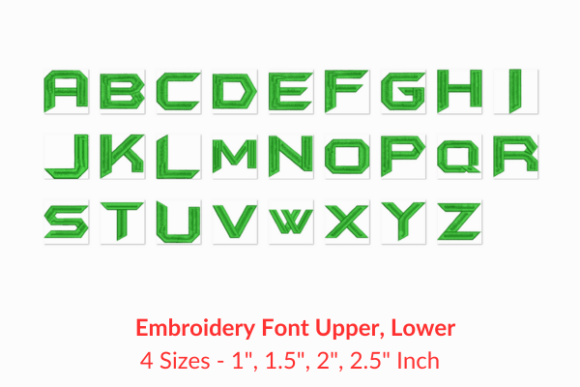
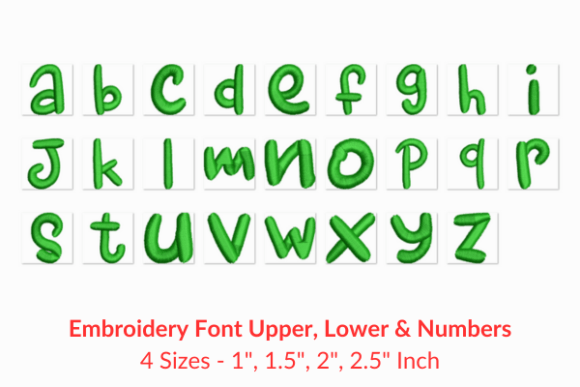
The primary distinction of the Angry Monsta Fonts Embroidery Design lies in its visual aggression and density. Unlike minimalist fonts that prioritize legibility through thin lines and open spaces, this design utilizes heavy stitching patterns to create a textured, almost three-dimensional appearance. The "monster" aspect implies irregularities in stroke width and potentially jagged edges, which are achieved through complex stitch placement rather than simple straight satin columns.
Technically, the file structure is designed to accommodate these stylistic choices. The dimensions provided in the product summary—specifically referencing the capital "A" and lowercase "a"—serve as a baseline for estimating coverage area. However, because the style relies on dense fill stitches and varied angles, the actual thread consumption and stabilizer requirements differ significantly from a standard block letter font. Users must recognize that the visual weight of the text will increase proportionally with the size of the hoop, making it less suitable for very small applications where detail might be lost due to stitch density.
Understanding Stitch Counts and Dimensional Data
A critical factor in evaluating any embroidery font is the stitch count relative to the physical size. The information available for the Angry Monsta Fonts Embroidery Design indicates that the data shown is a summary for specific characters. With a full set containing 248 letters, symbols, and numbers, the variation in complexity across the alphabet can be substantial. Characters like "M," "W," or "B" will naturally require more stitches and time to complete than "I" or "L."
For professional planning, relying solely on the summary data for "A" and "a" can lead to miscalculations regarding production time and thread usage. The downloadable PDF titled "More Sewing Info" is essential for accessing the full dimension details of the entire character set. This document allows users to calculate the total stitch count for a specific phrase, ensuring that the design fits within the constraints of their machine's memory and the project's timeline. Without this detailed breakdown, there is a risk of encountering errors when attempting to embroider longer phrases where the cumulative stitch count exceeds the machine's buffer capacity.
Comparative Analysis: Style Versatility and Alternatives
In the broader landscape of machine embroidery fonts, the Angry Monsta Fonts Embroidery Design occupies a unique position between novelty scripts and decorative fills. When compared to standard cursive fonts, which are often used for elegant monograms or wedding invitations, the Angry Monsta style offers a stark contrast. It is better suited for casual wear, youth apparel, or items intended to convey a sense of energy and attitude.
- Against Standard Block Fonts: While block fonts offer maximum legibility at small sizes, they lack the personality of the Angry Monsta design. If the goal is purely informational text, a block font may be more efficient. However, if the text serves as the primary graphic element, the texture of the Angry Monsta style provides greater visual interest.
- Against Script Fonts: Traditional scripts rely on flow and continuity. The Angry Monsta design breaks this continuity with its rugged aesthetic. This makes it less ideal for long paragraphs but highly effective for short, punchy statements.
- Against Fill Fonts: Some fonts use solid fill stitches for the entire letter body. The Angry Monsta approach likely uses a combination of satin and fill stitches to create depth, which can result in a softer hand feel compared to heavy fill fonts that might stiffen the fabric.
It is important to consider the target audience for the final product. For an adult demographic seeking subtle branding, this font might be too aggressive. Conversely, for children's clothing or merchandise related to gaming and pop culture, the style aligns well with current trends. The decision to use this font should be driven by the narrative of the garment or item being created.
Evaluating Format Compatibility and Machine Requirements
One of the practical strengths of the Angry Monsta Fonts Embroidery Design is its multi-format availability. Modern embroidery machines utilize proprietary file formats, ranging from .PES and .DST to .JEF and .EXP. A high-quality design package typically includes a suite of these formats, allowing for compatibility with major brands such as Brother, Bernina, Janome, and Tajima.
However, compatibility extends beyond just file recognition. The complexity of the design requires a machine capable of handling intricate stitch paths without frequent thread breaks. Older machines or those with limited tension control may struggle with the dense areas of the font. Additionally, the type of needle and thread used becomes more critical. A sharp point needle (such as a Microtex) and high-quality polyester thread are recommended to navigate the tight turns and dense fills inherent in the monster-style aesthetic.
Users should also verify their hoop size capabilities. Because the design emphasizes bold strokes, the minimum readable size may be larger than that of a standard font. Attempting to embroider the Angry Monsta style at a very small scale could result in stitches merging, rendering the text illegible. Therefore, the design is best utilized in medium to large hoop configurations where the details can breathe.
Decision Factors: When to Choose This Design
Selecting the right font involves weighing the artistic vision against technical constraints. The Angry Monsta Fonts Embroidery Design is the right choice when the project demands a statement piece. It excels in scenarios where the text needs to dominate the visual field, such as on the back of a t-shirt, the center of a tote bag, or as a focal point on a denim jacket.
Consider the following factors before committing to this design:
- Fabric Type: The heavy stitch count works best on stable fabrics like cotton twill, denim, or canvas. Stretchy knits may distort under the weight of the dense stitching unless heavily stabilized.
- Project Scale: Ensure the design area is large enough to accommodate the minimum size requirements of the font. If the space is constrained, a simpler alternative may yield better results.
- Time and Cost Efficiency: Due to the higher stitch count per letter, production time will be longer, and thread costs will be higher compared to outline fonts. This is a significant tradeoff for commercial producers calculating profit margins.
- Target Demographic: Align the font's aggressive style with the intended wearer. It is less appropriate for formal wear or conservative corporate branding.
Conversely, readers may need to explore other options if they require a font for delicate fabrics like silk or chiffon, where the weight of the stitching could cause puckering or damage. Similarly, if the project involves very long text passages, the time investment required by the Angry Monsta style may not be practical. In such cases, a hybrid approach—using a simpler font for the main text and reserving the Angry Monsta style for headers or initials—might offer a balanced solution.
Practical Application and Stabilization
To achieve the best results with the Angry Monsta Fonts Embroidery Design, proper stabilization is non-negotiable. The density of the stitches creates significant pull on the fabric. Using a cut-away stabilizer is generally preferred over tear-away for this type of design, as it provides permanent support that prevents the stitches from sinking into the fabric over time. For stretchy materials, a double layer of stabilizer or a water-soluble topping may be necessary to prevent bird nesting and ensure clean stitch definition.
Furthermore, testing the design on a scrap piece of the same fabric is a vital step. This test run allows the maker to adjust tension settings and verify that the "monster" features remain distinct. It also provides an opportunity to measure the actual thread consumption, which can vary based on the specific machine's calibration.
In conclusion, the Angry Monsta Fonts Embroidery Design offers a powerful tool for personalizing embroidery projects with a distinctive, high-impact look. While it presents challenges regarding stitch density and fabric selection, its versatility across multiple file formats and its ability to transform simple text into a graphic element make it a valuable asset for the right application. By carefully evaluating the project requirements, understanding the technical specifications, and comparing the style against alternatives, makers can determine if this font aligns with their creative goals and production capabilities.